The Hidden Power of Doing Nothing
A few weeks ago I finished reading The Brain at Rest by Dr Joseph Jebelli, and it’s one of those books that has really stayed with me.
At its heart is a simple idea: that rest is essential for human flourishing.
Dr Jebelli describes how certain regions of the brain come online when we stop focusing on tasks and allow the mind to wander - in those moments when we’re lying down, staring out of the window, or simply being. In this state, the brain begins to process and integrate our experiences and connect ideas. It doesn’t switch off, it shifts into a different mode.
I think of it like a dimmer switch: when we’re concentrating, some areas of the brain quieten, and when we stop, they gently light back up again. This “doing nothing” space is where so much of our inner organisation happens, supporting our creativity, emotional processing and long term productivity.
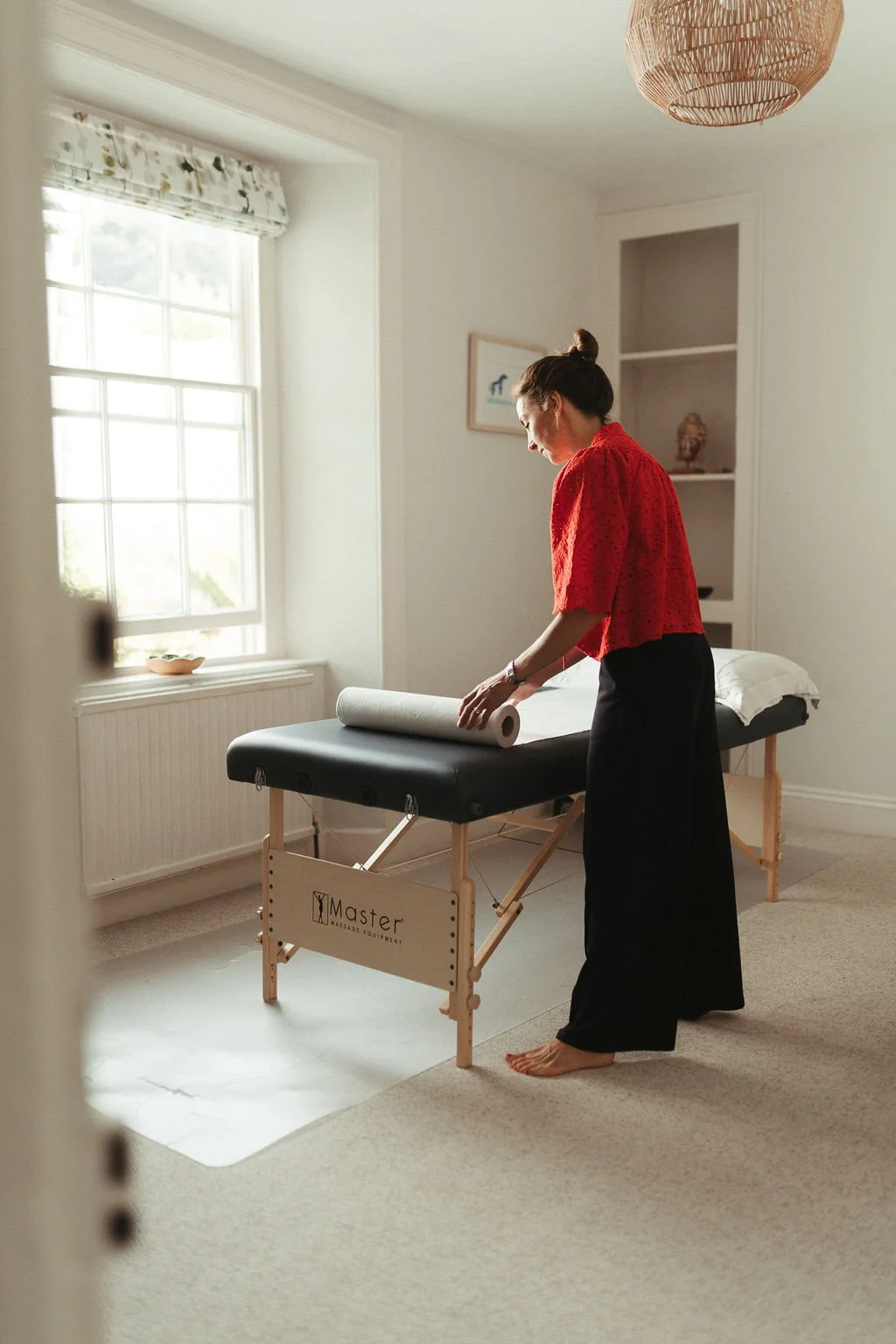
This mirrors what I see every day in clinic. Once the needles are in, there’s a natural settling - the body softens into the couch, there’s often a deep exhale, and something begins to shift. With nowhere to go and nothing to do, people drift into that calm, dreamy state between waking and sleeping, where the body lets go and the mind softens. It often feels like a kind of blissful reset.
From a Chinese medicine perspective, this is where the body rebalances itself. From a neuroscience perspective, the brain is entering this restorative “default” mode.
Since finishing the book, I’ve become much more aware of how rarely I allow this in everyday life. Even the smallest pauses - waiting for the kettle, sitting in the car, walking somewhere - are so often filled with noise or distraction. So I’ve been experimenting with leaving a little more space, doing a little less, and not rushing to fill every moment.
If you feel curious to explore this, you might begin gently:
• Spend 10 minutes a day sitting or lying down, just letting your mind wander
• Pause for a moment when you get into the car
• Look out of the window while the kettle boils
• Walk without headphones or a podcast
• Drive without music
• Sit in a café and watch the world go by
It sounds simple, and yet in today’s world it can feel surprisingly radical.
I wanted to share this today because perhaps knowing the neuroscience behind it - and understanding that these quiet moments support not only our health but also our creativity and, ironically, our productivity - might make it easier to give ourselves permission this week to do nothing.